
Essential Fall Lawn Preparation Tips
As the warm days of summer fade and the crisp air of fall settles in, it's the perfect time to give your lawn some extra care. Fall is a crucial season for lawn maintenance, especially in the Lowcountry, where our unique climate calls for specific attention. Taking the right steps now will help your grass stay healthy through winter and come back strong in spring. Let’s walk through some essential fall lawn preparation tips that will make your yard the envy of the neighborhood.
Why Fall Lawn Preparation Matters
Fall is more than just a season of colorful leaves and pumpkin spice. It’s a vital time for your lawn to recover from summer stress and prepare for the colder months ahead. During fall, grass roots grow deeper, which helps the lawn absorb nutrients and moisture better. This root growth sets the stage for a lush, green lawn when spring arrives.
By focusing on fall lawn preparation, you’re giving your grass the best chance to thrive. Skipping these steps can leave your lawn vulnerable to weeds, diseases, and damage from frost or drought. Plus, a well-maintained lawn adds curb appeal and value to your property, which is always a win.
Fall Lawn Preparation Tips You Can’t Miss
Let’s dive into some practical steps you can take this fall to keep your lawn in top shape:
1. Rake and Remove Leaves Regularly
Fallen leaves might look pretty, but they can smother your grass if left to pile up. A thick layer of leaves blocks sunlight and traps moisture, creating a perfect environment for mold and fungus. Make it a habit to rake your lawn regularly or use a leaf blower to keep it clear.
2. Aerate Your Lawn
Aeration means poking small holes in your soil to let air, water, and nutrients reach the roots more easily. This is especially important in the Lowcountry, where compacted soil can be a problem. You can rent an aerator or hire a professional. Aerating in fall helps your lawn breathe and grow stronger.
3. Overseed Bare or Thin Spots
If you notice patches where grass is thin or missing, fall is the best time to overseed. Choose a grass seed that matches your existing lawn type. Spread the seed evenly, then water gently but consistently. This will help fill in those spots and create a thicker, healthier lawn.
4. Fertilize for Root Growth
Applying a slow-release fertilizer in fall gives your lawn the nutrients it needs to build strong roots. Look for a fertilizer with a higher potassium content, which supports root development and disease resistance. Follow the instructions carefully to avoid over-fertilizing.
5. Adjust Your Mowing Height
As temperatures drop, you can gradually lower your mower blade. Cutting your grass a bit shorter in fall helps prevent diseases and reduces hiding spots for pests. However, don’t cut it too short - aim for about 2 to 2.5 inches. This height protects the roots and keeps your lawn looking neat.

Is October Too Late to Dethatch?
Dethatching is the process of removing the layer of dead grass and organic debris that builds up between the soil and grass blades. This layer, called thatch, can prevent water and nutrients from reaching the roots.
You might wonder if October is too late to dethatch your lawn. The answer depends on your grass type and local climate. In the Lowcountry, early fall is ideal for dethatching cool-season grasses, but if you miss that window, October can still work for warm-season grasses like Bermuda or Zoysia.
If you decide to dethatch in October, be gentle. Use a dethatching rake or a machine with adjustable settings to avoid damaging the grass. After dethatching, water your lawn well and consider overseeding any bare spots. This will help your lawn recover quickly and stay healthy through winter.
Watering Wisely in Fall
Even though fall brings cooler weather, your lawn still needs water. The key is to water deeply but less frequently. Deep watering encourages roots to grow downward, making your lawn more drought-resistant.
Aim to water your lawn about once a week, providing roughly an inch of water each time. Early morning is the best time to water because it reduces evaporation and allows grass blades to dry before nightfall, lowering the risk of disease.
If you’re unsure how much water your lawn is getting, place a small container like a tuna can on the grass while watering. When it fills to about an inch, you’ve watered enough.

Preparing Your Lawn Equipment for Fall
Taking care of your lawn also means taking care of your tools. Before you dive into fall lawn maintenance, make sure your mower, aerator, and other equipment are in good shape.
Sharpen mower blades to ensure clean cuts that won’t damage grass.
Change the oil and air filter if you haven’t done so recently.
Clean and store hoses and sprinklers properly to avoid damage from cooler temperatures.
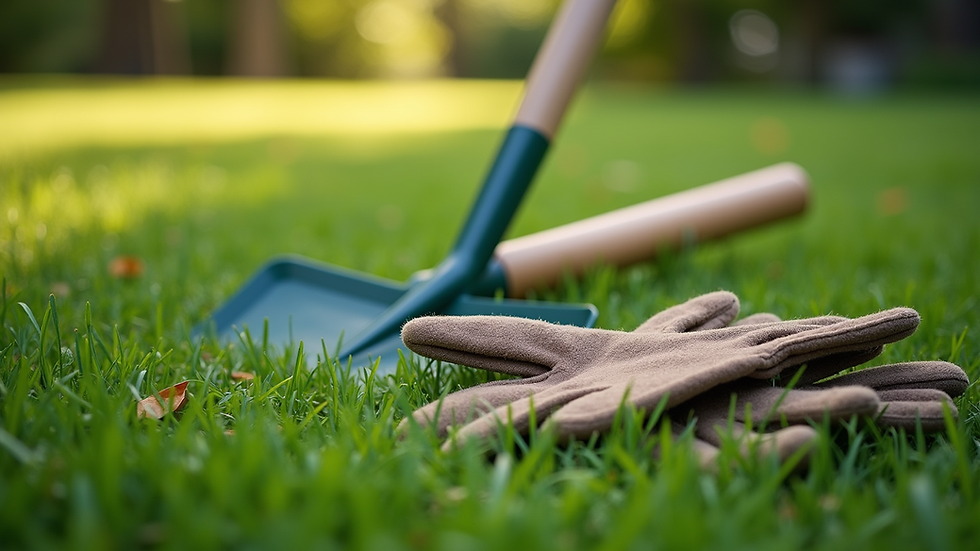
Check your rake and dethatching tools for any needed repairs.
Well-maintained equipment makes your work easier and helps you get better results.
Keep an Eye Out for Pests and Diseases
Fall can bring some lawn pests and diseases that thrive in cooler, moist conditions. Watch for signs like yellowing grass, bare patches, or unusual spots. If you spot any problems, act quickly.
Remove affected grass and debris.
Avoid overwatering, which can encourage fungal growth.
Consider natural pest control options or consult a local expert if needed.
Early attention helps prevent small issues from turning into big headaches.
Wrapping Up Your Fall Lawn Care
By following these fall lawn preparation tips, you’re setting your lawn up for success through the colder months and into spring. Remember, consistent care now means less work later and a healthier, more beautiful lawn year-round.
If you want to explore more detailed advice, check out these fall lawn care tips that cover everything you need to know for this season.
Taking these steps shows your lawn some love and keeps your property looking its best. Let us help you enjoy a vibrant, healthy lawn that makes you proud!

Comments